


Can a Leg Caliper Correct Walking Problems? Expert Insights from a Leg Caliper Clinic in Delhi NCR
- 2 days ago
- 4 min read

Yes, a properly prescribed leg caliper can significantly improve walking problems caused by muscle weakness, nerve damage, paralysis, polio, cerebral palsy, stroke, foot drop, or orthopedic conditions. However, the success of treatment depends on the individual's condition, severity of mobility impairment, and the type of orthotic support used.
At THE REHAB STREET, specialists assess each patient’s walking pattern, muscle strength, balance, and joint alignment before recommending a customized leg caliper solution.
Why Do People Experience Walking Problems?
Walking difficulties can develop due to various neurological, muscular, or orthopedic conditions.
Common causes include:
Foot drop
Post-stroke weakness
Cerebral palsy
Polio residual paralysis
Muscular dystrophy
Spinal cord injuries
Knee instability
Joint deformities
Nerve injuries
Age-related muscle weakness
These conditions often affect balance, posture, and gait, making everyday activities challenging.
What Is a Leg Caliper and How Does It Work?
A leg caliper is an orthotic device designed to support weak muscles, stabilize joints, and improve walking mechanics.
The device works by:
Supporting the ankle and foot
Improving knee stability
Correcting gait abnormalities
Preventing joint collapse
Enhancing balance while walking
Reducing the risk of falls
Modern orthotic technology allows calipers to be lightweight, comfortable, and customized according to the patient's needs.
Who Can Benefit Most from a Leg Caliper?
A leg caliper may be recommended for:
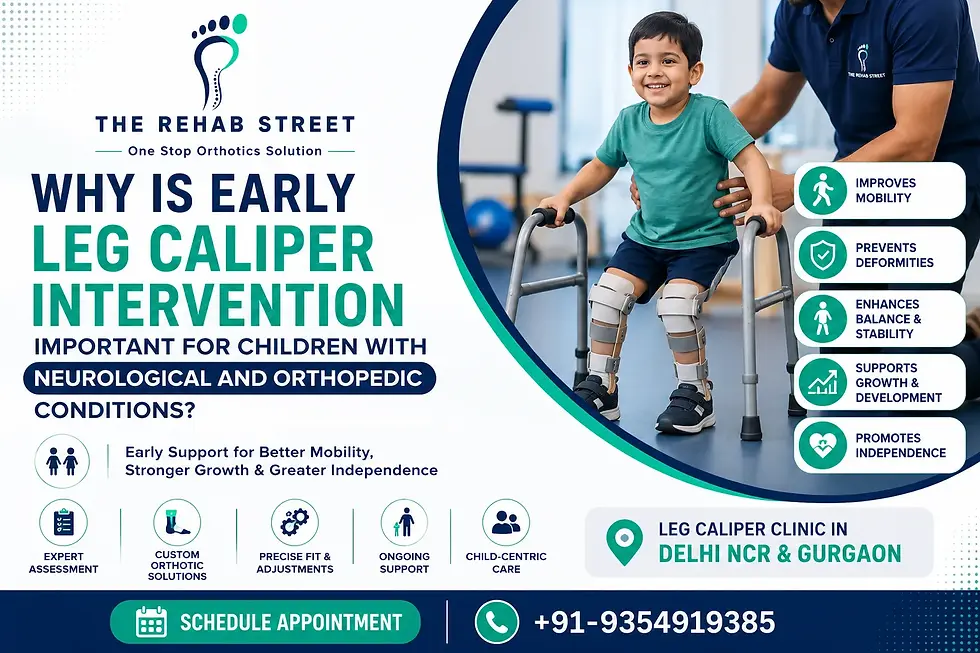
Children with Cerebral Palsy
Children experiencing muscle stiffness, poor balance, or abnormal walking patterns often benefit from early orthotic intervention.
Stroke Survivors
Many stroke patients experience weakness on one side of the body. Leg calipers help improve mobility and independence.
Patients with Foot Drop
Foot drop can cause frequent tripping and difficulty lifting the front part of the foot while walking.
Polio Survivors
Leg calipers provide stability and reduce stress on weakened muscles and joints.
Individuals with Knee Instability
Orthotic support helps maintain proper alignment and improves confidence during walking.
Can a Leg Caliper Correct Walking Problems Permanently?
This is one of the most searched questions by patients and caregivers.
The answer depends on the underlying condition.
Conditions Where Improvement Is Often Significant
Foot drop
Mild gait abnormalities
Muscle weakness
Post-surgical rehabilitation
Balance-related walking issues
Conditions Where a Caliper Provides Ongoing Support
Cerebral palsy
Polio
Neurological disorders
Permanent nerve injuries
In these cases, the goal is not necessarily to "cure" the condition but to improve mobility, safety, independence, and quality of life.
Signs You May Need a Leg Caliper
You should consider an orthotic assessment if you experience:
Frequent falls while walking
Foot dragging
Uneven walking pattern
Knee buckling
Difficulty climbing stairs
Reduced balance
Fatigue while walking
Pain caused by abnormal gait
Early intervention often leads to better outcomes.
What Happens During a Leg Caliper Assessment?
At THE REHAB STREET, specialists conduct a comprehensive evaluation that includes:
Gait Analysis
Walking patterns are assessed to identify movement abnormalities.
Muscle Strength Testing
Weak muscle groups are evaluated to determine support requirements.
Joint Stability Assessment
Knee, ankle, and foot stability are examined.
Range of Motion Evaluation
The mobility of affected joints is measured.
Orthotic Recommendation
A customized treatment plan is created based on the patient's needs.
Benefits of Customized Leg Calipers
Patients often experience:
Improved walking ability
Better balance and posture
Increased confidence
Reduced risk of falls
Enhanced independence
Less joint stress
Better mobility in daily activities
Custom-made calipers generally provide better outcomes than generic orthotic devices.
Why Choose a Specialized Leg Caliper Clinic in Delhi NCR?
Many patients search for a leg caliper clinic near me because proper fitting and follow-up care are critical for success.
A specialized clinic offers:
Expert orthotic assessment
Customized fabrication
Regular adjustments
Rehabilitation support
Long-term mobility management
This ensures the device continues to perform effectively as the patient's needs evolve.
Finding the Right Leg Caliper Clinic in Delhi NCR & Gurgaon
When choosing a clinic, look for:
Experienced orthotic specialists
Customized solutions
Comprehensive gait analysis
Child and adult orthotic expertise
Ongoing follow-up care
Evidence-based rehabilitation support
THE REHAB STREET provides patient-focused orthotic solutions designed to improve mobility, comfort, and long-term independence.
Final Thoughts
If walking difficulties are affecting your daily life, a professionally designed leg caliper may help improve mobility, balance, and confidence. The key is obtaining the right diagnosis, expert assessment, and customized orthotic support.
Whether you are managing foot drop, cerebral palsy, post-stroke weakness, polio-related mobility challenges, or knee instability, consulting a specialized leg caliper clinic in Delhi NCR can help you find the most effective solution for your needs.
With expert guidance from THE REHAB STREET, patients can take meaningful steps toward safer, more comfortable, and more independent movement.
FAQs
How long does it take to get used to a leg caliper?
Most patients adapt within a few weeks, depending on the condition and type of caliper.
Can children wear leg calipers daily?
Yes. Many children wear them throughout the day under professional guidance.
Are leg calipers uncomfortable?
Modern customized orthotic devices are designed for comfort and long-term use.
Can a leg caliper prevent falls?
In many cases, yes. Improved stability and balance significantly reduce fall risk.
Do I need physiotherapy along with a leg caliper?
Physiotherapy often enhances outcomes by strengthening muscles and improving movement patterns.


Comments